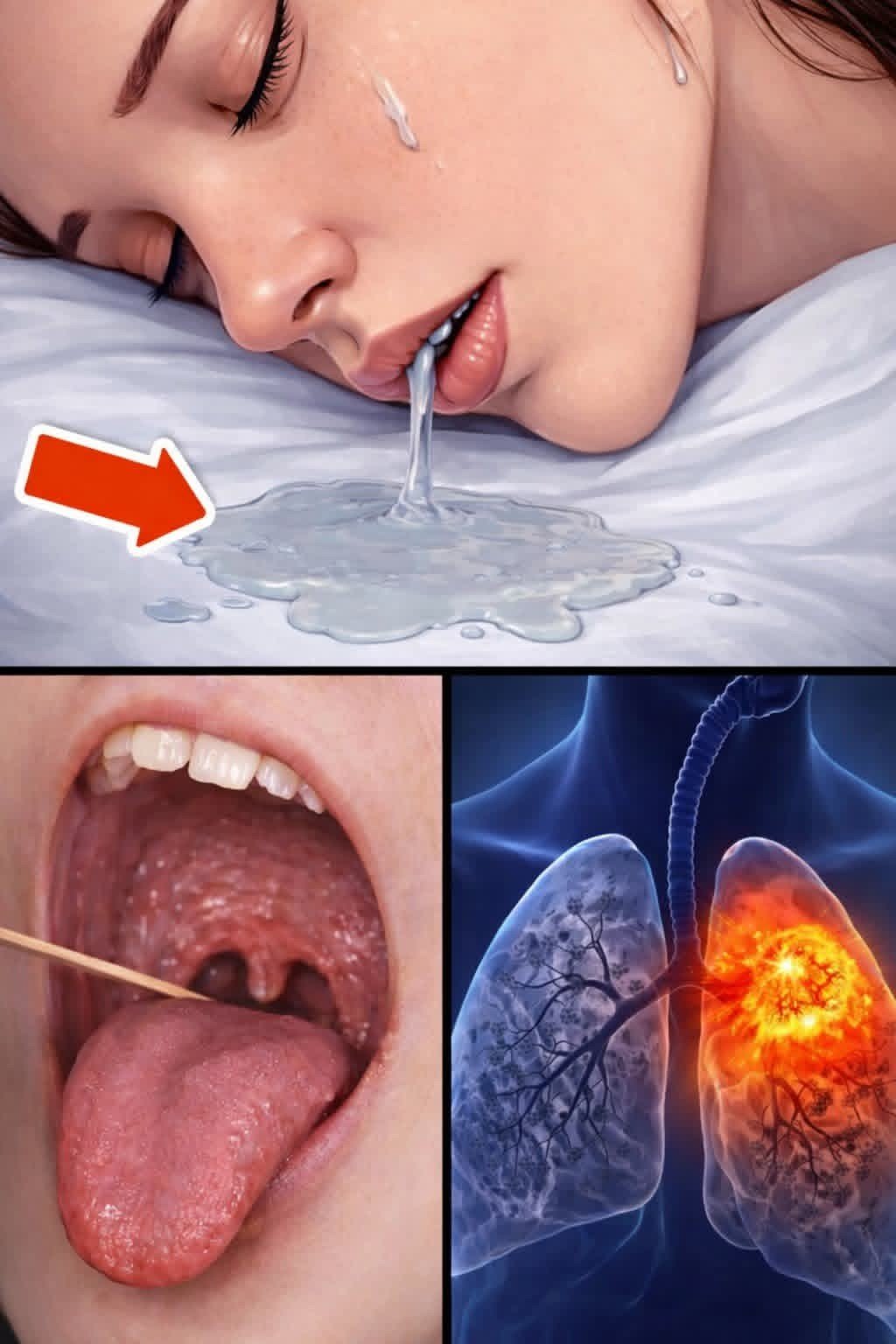

Here are the most common reasons 👇
😴 1. Sleeping Position
Sleeping on your side or stomach makes it easier for saliva to escape your mouth due to gravity.
👉 Try sleeping on your back to reduce drooling.
🤧 2. Nasal Congestion
If your nose is blocked (due to a cold, allergies, or sinus issues), you’ll breathe through your mouth—leading to drooling.
👉 Treating the congestion often solves the problem.
🦷 3. Excess Saliva Production
Conditions like acid reflux, infections, or even certain foods can increase saliva production at night.
👉 If frequent, it may be worth checking with a doctor.
😬 4. Teeth Grinding or Mouth Opening
Sleeping with your mouth open or grinding your teeth (bruxism) can lead to drooling.
👉 A mouthguard or dental check can help.
🧠 5. Rare but Important: Nerve or Sleep Disorders
In rare cases, excessive drooling may be linked to:
Sleep disorders (like sleep apnea)
Neurological conditions affecting muscle control
👉 If you also notice snoring, choking at night, or daytime fatigue, don’t ignore it.
✅ When Should You Be Concerned?
Pay closer attention if drooling:
Happens every night
Is sudden or worsening
Comes with difficulty swallowing, speech changes, or facial weakness
✔️ Simple Tips to Reduce Drooling
Sleep on your back
Keep your nose clear (steam, saline spray)
Stay hydrated
Avoid heavy meals before bed
Maintain good oral hygiene