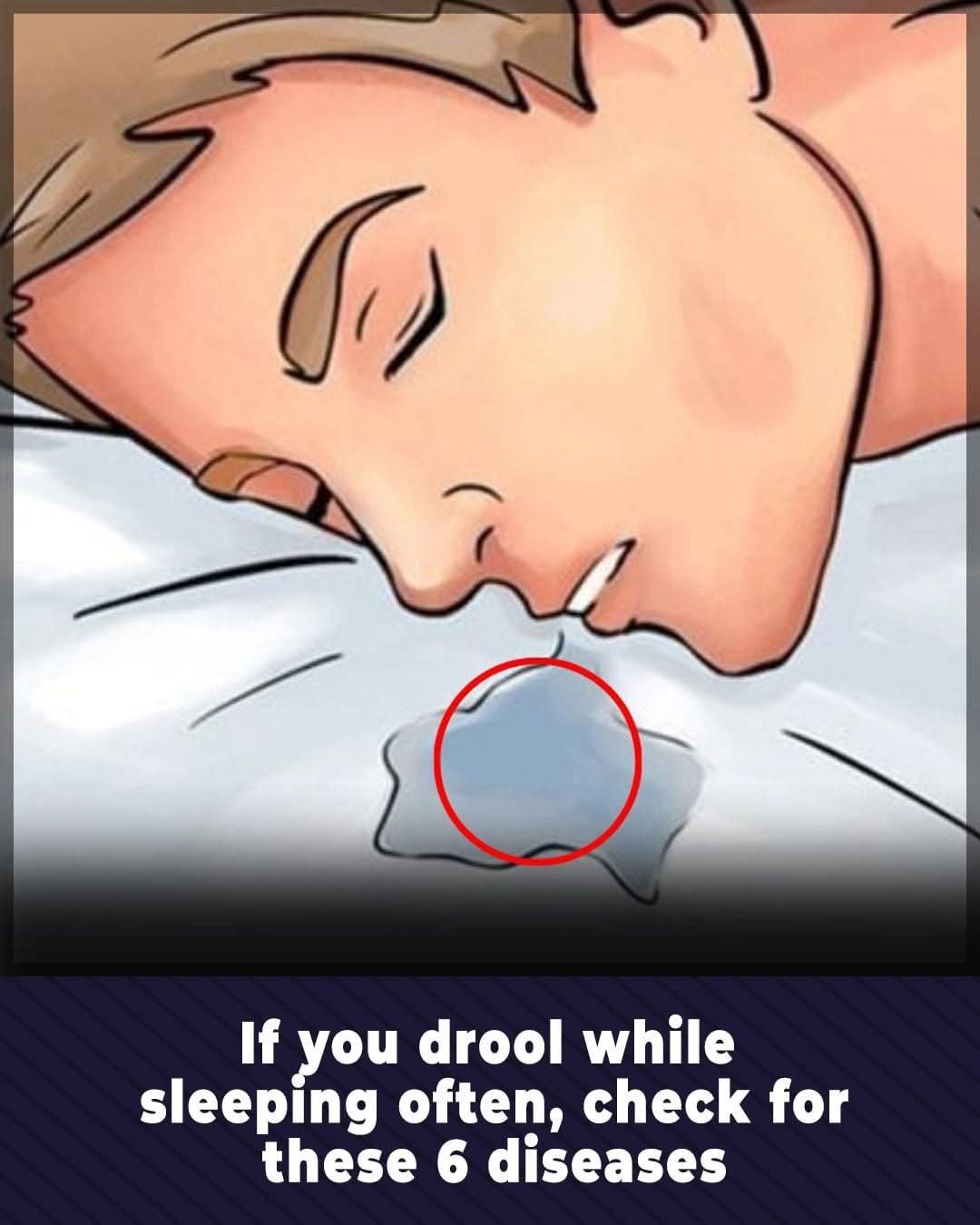
Occasional drooling during sleep is completely normal — especially if you sleep on your side. But frequent or excessive drooling could sometimes signal an underlying issue.
Here are 6 conditions to check for 👇
1. 😪 Sleep Apnea
Sleep Apnea
This condition causes paused breathing during sleep, often leading to mouth breathing and drooling.
Other signs: Loud snoring, choking at night, daytime fatigue.
2. 🤧 Nasal Congestion or Sinus Issues
Blocked nose forces you to breathe through your mouth → more drooling.
Causes: Allergies, cold, sinus infection.
Tip: Treat congestion to reduce symptoms.
3. 🦷 Oral or Dental Problems
Issues like gum disease or infections can increase saliva production.
Watch for: Bad breath, swollen gums, tooth pain.
4. 🧠 Neurological Conditions
Conditions affecting muscle control can cause poor swallowing during sleep.
Examples include:
Parkinson’s Disease
Stroke
These are less common, but important if drooling is severe or sudden.
5. 🤢 Acid Reflux (GERD)
Gastroesophageal Reflux Disease
Your body may produce extra saliva to neutralize stomach acid.
Other symptoms: Heartburn, sour taste, chest discomfort.
6. 💊 Medication Side Effects
Some medicines increase saliva production or relax throat muscles.
Examples: Sedatives, certain psychiatric medications.
⚠️ When to Worry
See a doctor if you notice:
Sudden increase in drooling
Difficulty swallowing
Slurred speech or weakness
Severe snoring or breathing pauses
✅ Simple Ways to Reduce Drooling
✔ Try sleeping on your back
✔ Keep your nose clear (steam, saline spray)
✔ Maintain good oral hygiene
✔ Avoid heavy meals before bed
✔ Adjust pillow height and sleep posture
💡 Bottom Line
Drooling in sleep is usually harmless — but if it’s frequent or worsening, your body might be signaling something worth checking.