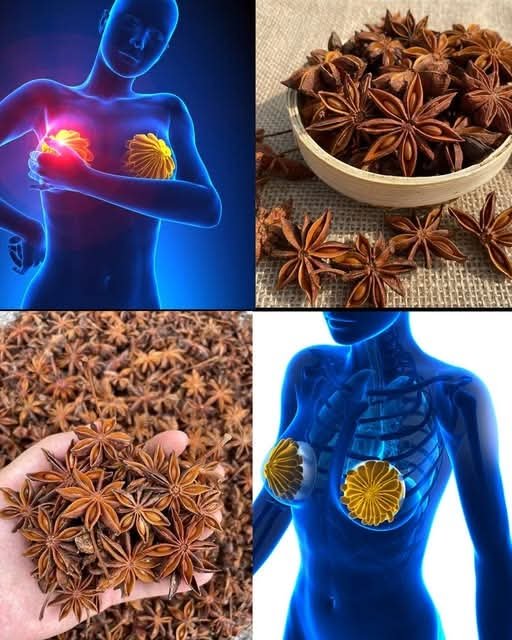
Anise seeds (from the plant Pimpinella anisum) have been used for centuries in traditional remedies. But not everything you see online is accurate. Here’s a clear, science-based look at what they can and can’t do—especially for women.
⚖️ Hormones: Mild Support, Not a Miracle
Anise contains plant compounds called phytoestrogens, which can slightly mimic estrogen in the body.
✔️ May help:
Mild menstrual discomfort
Some menopause symptoms (like hot flashes)
❗ Reality check:
Effects are generally weak and inconsistent. It won’t “balance hormones” in a medical sense or replace proper treatment.
😴 Sleep: Gentle Relaxation, Not a Cure
Anise tea is traditionally used as a calming drink.
✔️ May help:
Relaxation before bed
Mild sleep support due to its soothing aroma
❗ Reality check:
It’s not a treatment for insomnia. Think of it like chamomile—helpful, but subtle.
✨ Skin: Indirect Benefits Only
Anise has antioxidants and antimicrobial properties.
✔️ May help:
Supporting overall health (which can reflect on skin)
Minor antibacterial effects
❗ Reality check:
There’s no strong evidence it clears acne, brightens skin, or works like skincare products.
🌸 Digestion & Bloating: Where It Shines
This is where anise is actually most useful.
✔️ Well-supported benefits:
Reduces bloating and gas
Helps digestion
May ease mild stomach cramps
👉 This is the most reliable reason people use anise seeds.
⚠️ Who Should Be Careful?
Women with hormone-sensitive conditions
Pregnant or breastfeeding women
Anyone on hormone-related medications
Always check with a doctor if unsure.
🫖 Simple Way to Use It
Crush ½–1 teaspoon of seeds
Add to hot water
Steep 5–10 minutes
Drink after meals or before bed.
💬 Bottom Line
Anise seeds are helpful but not magical. They can gently support digestion and relaxation, and may offer mild hormonal effects—but they won’t transform your health overnight.