Many people experience numbness or tingling in their hands at some point in their lives. Sometimes it happens after sleeping in the wrong position, but if it occurs frequently, your body might be trying to warn you about an underlying health issue. Understanding the possible causes can help you know when it’s harmless and when you should seek medical advice.
What Does Hand Numbness Feel Like?
Hand numbness is often described as:
A tingling or “pins and needles” sensation
Loss of feeling in the fingers or hand
Weakness in the hand
A feeling that your hand has “fallen asleep”
These sensations usually happen when nerves or blood flow are temporarily affected.
Common Causes of Hand Numbness
1. Poor Sleeping Position
One of the most common reasons is sleeping on your arm or wrist, which puts pressure on nerves and reduces blood flow. This usually goes away quickly once you change position.
2. Carpal Tunnel Syndrome
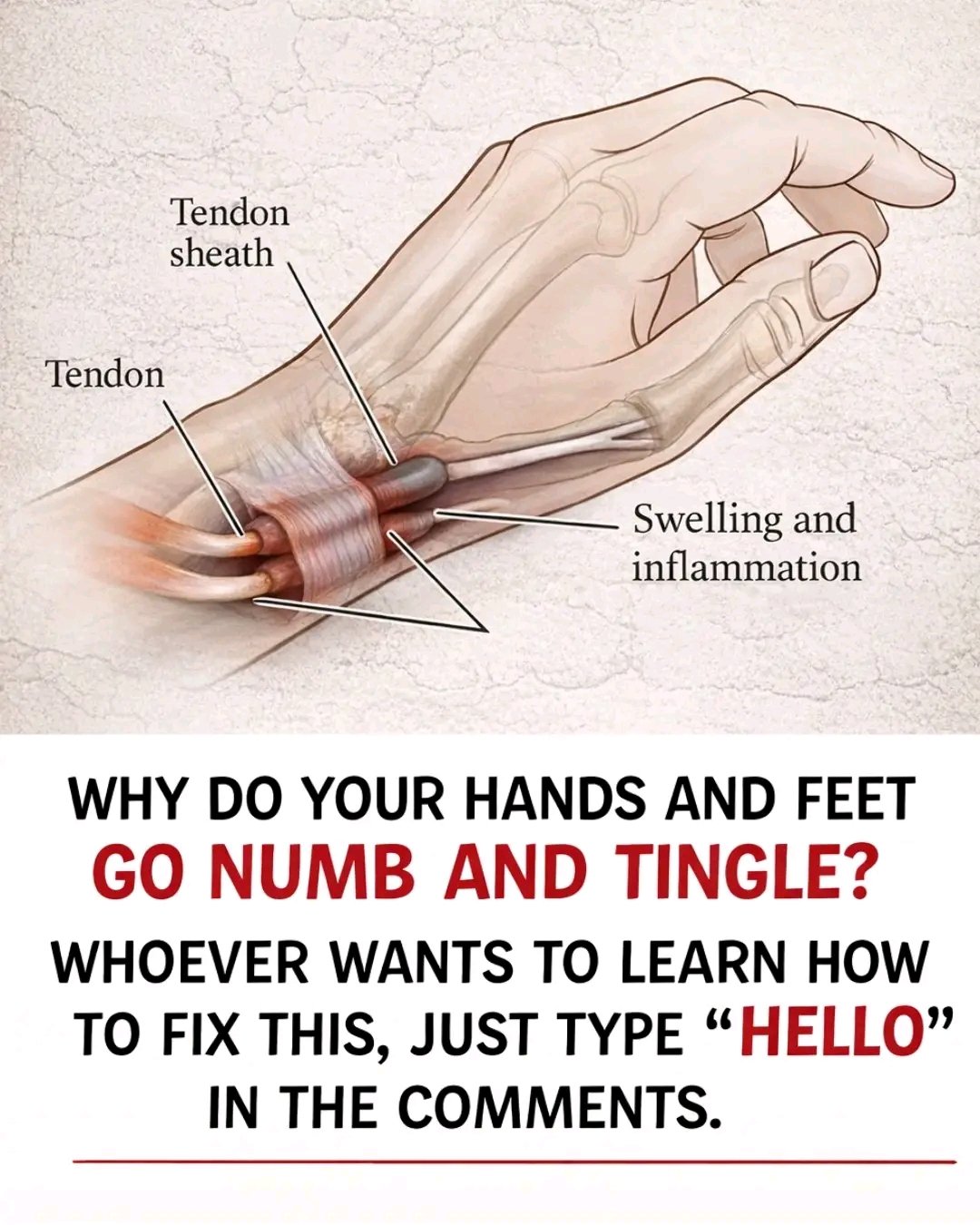
Carpal tunnel syndrome happens when the median nerve in the wrist becomes compressed. It often causes numbness in the thumb, index finger, and middle finger, especially at night or after repetitive hand movements.
3. Vitamin Deficiencies
A lack of certain vitamins, especially vitamin B12, can damage nerves and lead to numbness or tingling in the hands and feet.
4. Poor Blood Circulation
Conditions that affect circulation can prevent enough blood from reaching the hands, causing numbness, coldness, or tingling.
5. Nerve Compression in the Neck
Problems such as pinched nerves in the neck or spine can also cause numbness that travels down the arm into the hand.
Other Possible Health Conditions
Sometimes numb hands can be linked to more serious conditions, including:
Diabetes
Peripheral neuropathy
Multiple sclerosis
Stroke (if numbness appears suddenly with other symptoms)
Although these cases are less common, persistent numbness should never be ignored.
When Should You See a Doctor?
You should seek medical attention if:
The numbness happens frequently
It does not go away after a few minutes
It is accompanied by weakness, dizziness, or difficulty speaking
It affects both hands regularly
Early diagnosis can help prevent more serious complications.
Simple Ways to Reduce Hand Numbness
Some lifestyle changes may help reduce the problem:
Stretch your hands and wrists regularly
Avoid sleeping on your arms
Maintain good posture
Eat a balanced diet rich in vitamins
Take breaks from repetitive hand movements
Final Thoughts
Occasional numbness in the hands is usually harmless and temporary, but frequent or persistent numbness may signal an underlying health problem. Paying attention to your body’s warning signs can help you protect your nerve health and overall well-being.