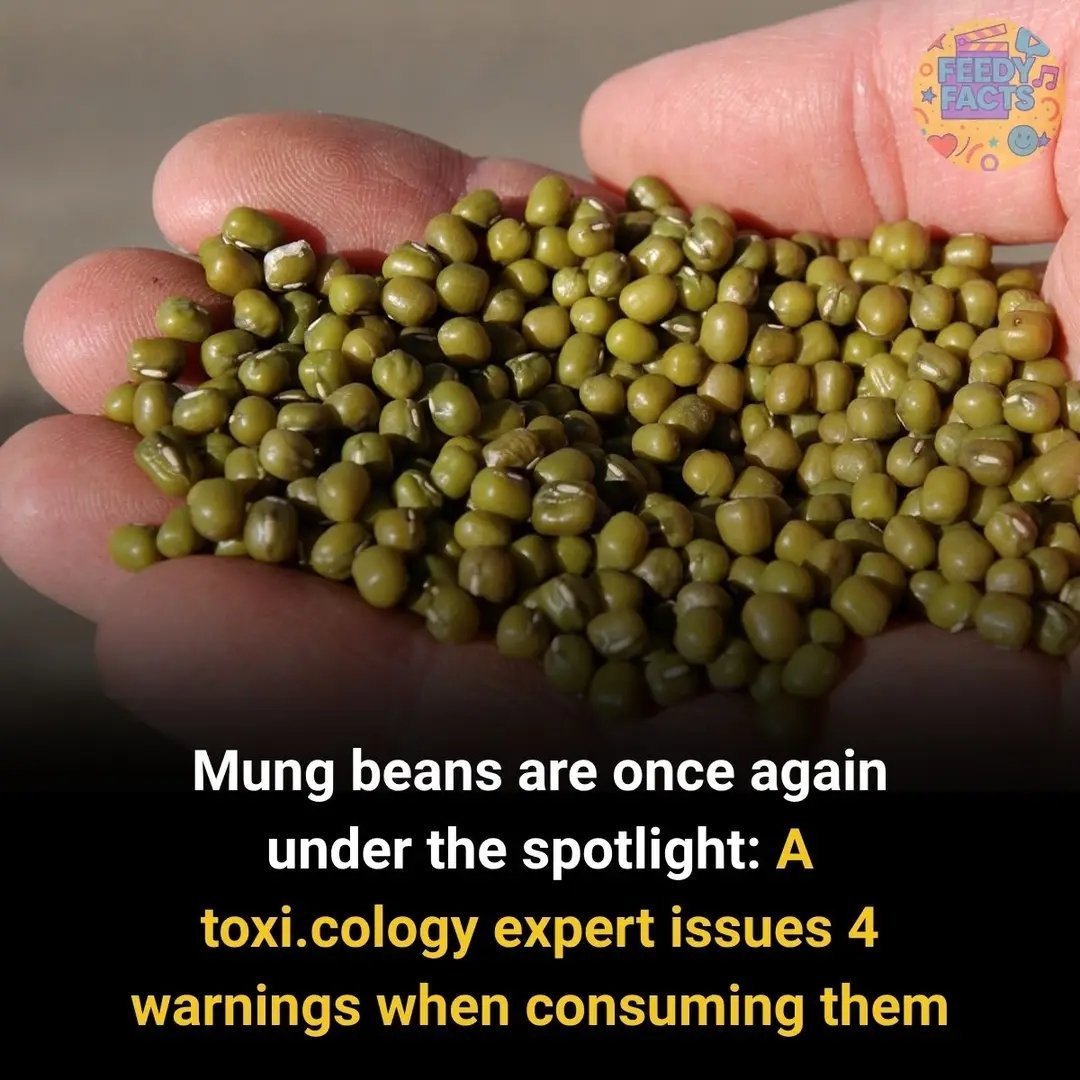

Mung beans are widely known as a healthy food—but experts sometimes raise warnings because how you eat them matters just as much as what you eat.
🌱 The Truth About Mung Beans
Mung beans (also called Mung bean) are packed with:
Protein
Fiber
Antioxidants
Vitamins and minerals
👉 When prepared properly, they are very healthy.
🚨 So Why the Warnings?
1. 🦠 Risk from Raw or Sprouted Beans
Raw or lightly sprouted mung beans can carry harmful bacteria like:
E. coli
Salmonella
This happens because warm, moist sprouting conditions are ideal for bacteria growth.
👉 That’s why experts warn against eating raw sprouts, especially for:
Pregnant women
Elderly people
Those with weak immunity
2. ⚠️ Digestive Issues If Undercooked
If mung beans aren’t cooked properly:
They can be hard to digest
May cause bloating or gas
Contain natural compounds that irritate the gut
3. ❗ Anti-Nutrients
Like many legumes, mung beans contain compounds that can:
Reduce mineral absorption
Affect digestion if eaten excessively raw
👉 Cooking or soaking helps reduce these.
✅ How to Eat Mung Beans Safely
✔️ Cook thoroughly (best method)
✔️ Soak before cooking
✔️ If sprouting, cook the sprouts lightly instead of eating raw
✔️ Store properly to avoid contamination
🥗 Are They Still Healthy?
Absolutely—when prepared right, mung beans can:
Support heart health
Help regulate blood sugar
Improve digestion