🧑⚕️ 1. Hormonal Imbalance
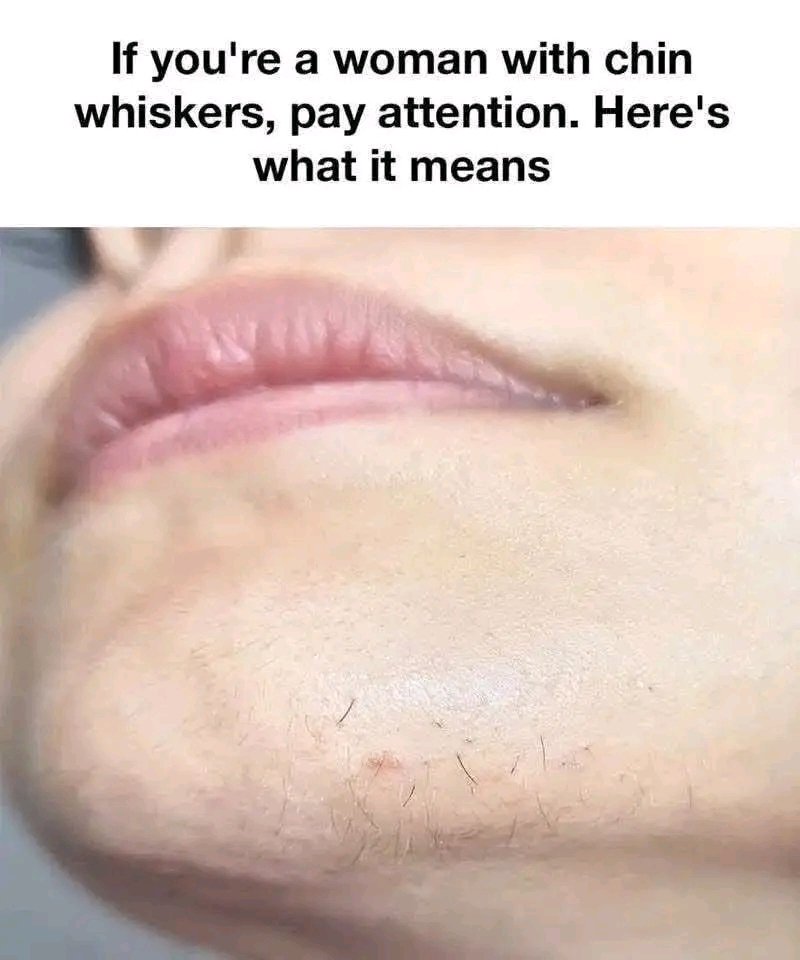
A few chin hairs can be completely normal. But noticeable or increasing whiskers may be linked to higher levels of androgens (male-type hormones that women also have in small amounts). When these rise, facial hair growth can increase.
🩺 2. Polycystic Ovary Syndrome (PCOS)
One common medical cause is Polycystic Ovary Syndrome. Along with chin hair, signs may include:
Irregular periods
Acne or oily skin
Weight gain
Difficulty getting pregnant
If several of these appear together, it’s worth getting checked.
👩👧 3. Genetics (Family Traits)
Sometimes it’s simply inherited. If female relatives also have facial hair, your body may naturally produce slightly more androgens—nothing dangerous.
⏳ 4. Aging & Menopause
As estrogen levels drop with age (especially around menopause), the balance shifts—making facial hair more noticeable.
💊 5. Medications or Health Conditions
Certain medicines or rare endocrine conditions can also trigger extra hair growth. If the change is sudden or severe, it shouldn’t be ignored.
🚩 When to Take It Seriously
Seek medical advice if you notice:
Rapid increase in facial hair
Deepening voice
Hair thinning on scalp
Irregular or missed periods
🌿 What You Can Do
Simple removal: tweezing, threading, waxing
Long-term options: laser or electrolysis
Medical treatment (if needed): guided by a doctor after diagnosis
✔️ Bottom Line
A few chin hairs are common and usually harmless. But if they become thick, frequent, or come with other symptoms, they can be a sign your hormones need attention—not something to panic about, but something to check.