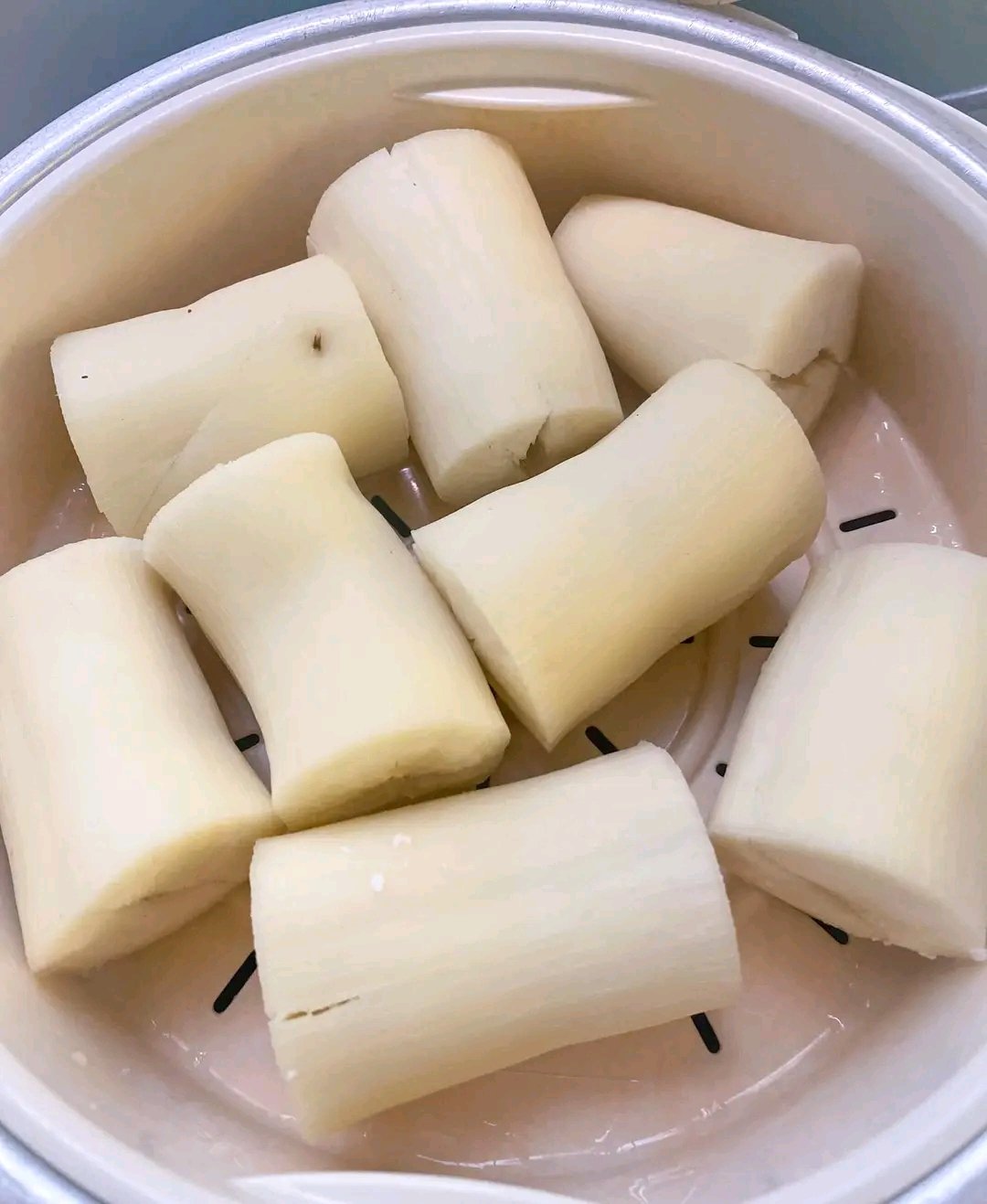
Cassava (also known as yuca or manioc) is a staple food for millions of people—but it comes with both benefits and important warnings.
🌱 What Is Cassava?
Cassava is a starchy root vegetable widely grown in tropical regions. It’s commonly used to make foods like flour, tapioca, and traditional dishes.
✅ 1. Rich Source of Carbohydrates
Cassava is packed with carbs, making it an excellent energy source—especially in regions where food is scarce.
⚠️ 2. Contains Natural Toxins (When Raw)
Raw cassava contains compounds that can produce cyanide. Proper cooking is essential to make it safe.
💪 3. Gluten-Free Alternative
Cassava flour is naturally gluten-free, making it a popular option for people with gluten intolerance.
🧠 4. May Support Brain Function
It contains small amounts of B vitamins that help maintain brain health and energy metabolism.
🍽️ 5. Promotes Feeling of Fullness
Its high starch content can help you feel full, which may support weight control when eaten in moderation.
⚖️ 6. Low in Protein and Nutrients
Cassava alone is not nutritionally balanced—it lacks protein and some essential vitamins, so it should be combined with other foods.
❤️ 7. Can Support Digestive Health
When prepared properly, cassava contains resistant starch that may benefit gut bacteria.
🚫 8. Overconsumption Can Be Harmful
Eating large amounts regularly—especially poorly prepared cassava—can lead to health issues like nerve damage.
👶 9. Not Ideal for Infants Without Proper Preparation
Improperly processed cassava can be dangerous, particularly for children.
🔥 10. Cooking Removes Toxic Compounds
Peeling, soaking, and thoroughly cooking cassava significantly reduce harmful substances.
📈 11. May Affect Blood Sugar Levels
Cassava has a high glycemic index, which means it can cause a rapid rise in blood sugar if eaten in large amounts.
⚕️ Doctor’s Insight: What Does Cassava “Increase”?
Doctors and nutritionists note that cassava can:
Increase energy levels due to high carbs
Increase blood sugar levels if overeaten
Increase risk of toxicity if consumed raw or improperly prepared
📝 Final Thought
Cassava can be a healthy and valuable food—but only when prepared correctly and eaten as part of a balanced diet. Like many natural foods, the key is moderation and proper cooking.