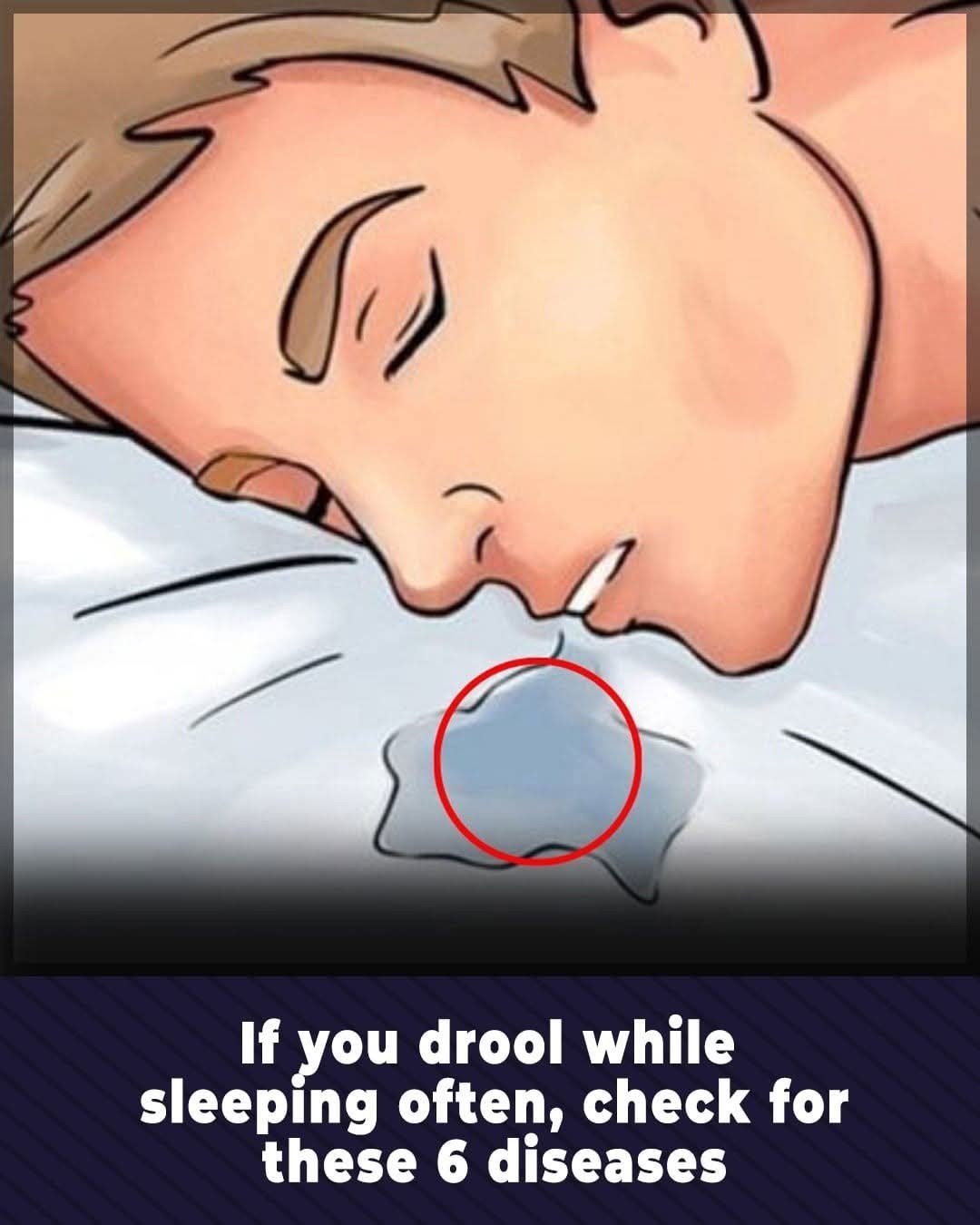
Drooling during sleep is common and often harmless—but sometimes it can point to an underlying issue worth paying attention to.
1. 🦷 Dental Problems
Issues like gum disease, cavities, or infections can increase saliva production or make it harder to swallow properly during sleep.
2. 🤧 Sinus Infection or Nasal Blockage
When your nose is blocked, you breathe through your mouth—making drooling much more likely.
3. 🧠 Neurological Conditions
Conditions affecting nerves or muscles can reduce control over swallowing. Examples include:
Parkinson’s disease
Stroke
4. 😴 Sleep Apnea
With Sleep apnea, breathing pauses during sleep can cause mouth breathing and drooling.
5. 💊 Medication Side Effects
Some medicines increase saliva production or affect muscle control, leading to nighttime drooling.
6. 🤢 Acid Reflux (GERD)
Gastroesophageal reflux disease can trigger excess saliva as a response to stomach acid.
⚠️ When Should You Worry?
Occasional drooling is normal. But consider medical advice if you notice:
Sudden or severe drooling
Difficulty swallowing
Snoring or breathing pauses
Facial weakness or numbness
💡 Bottom line: Drooling during sleep is usually harmless, but if it’s frequent or comes with other symptoms, it’s worth checking the cause early.