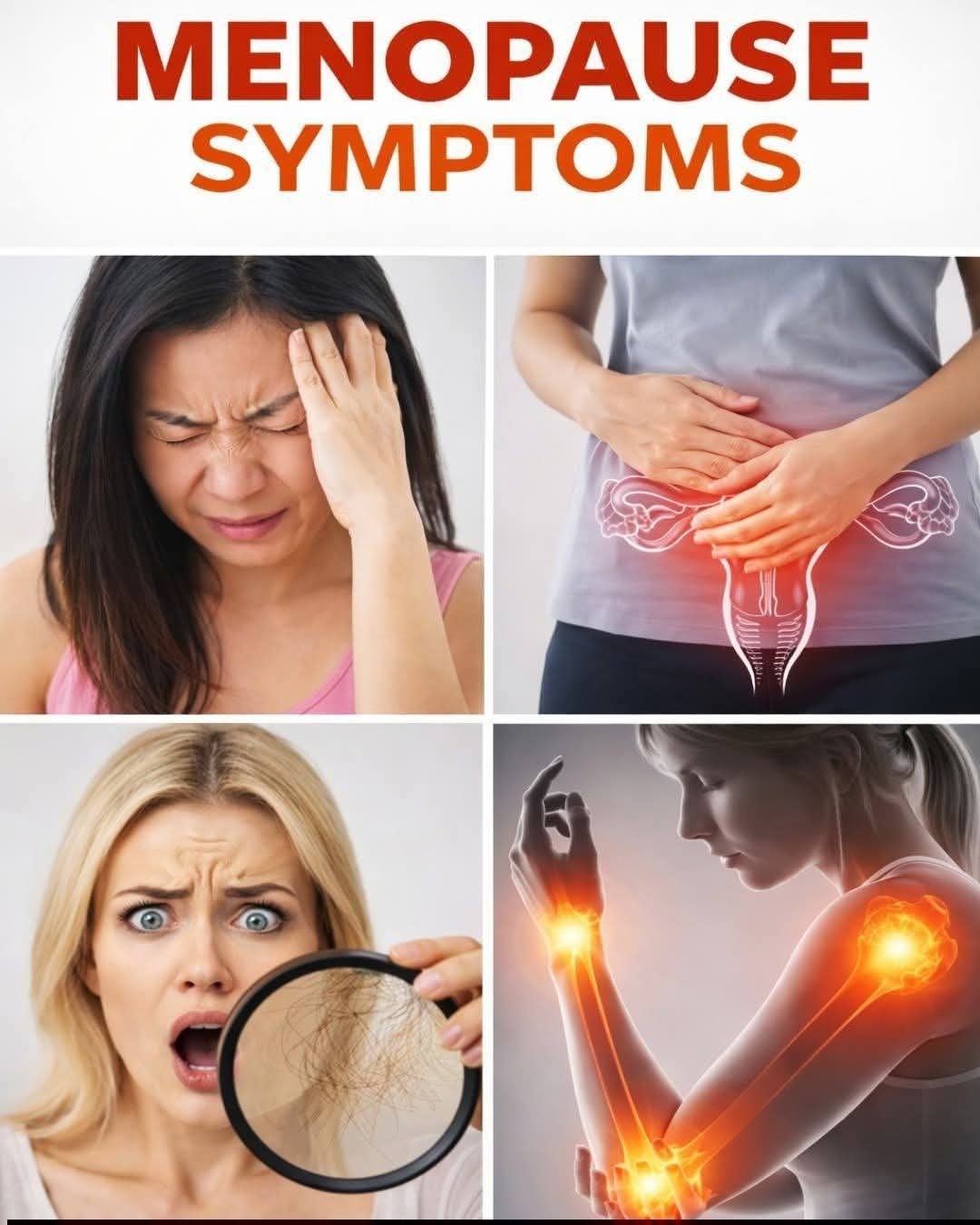
Early menopause happens when a woman’s ovaries stop working before age 40. It can affect hormones, fertility, and overall health—so recognizing the signs early is important.
🔥 1. Irregular Periods
Periods may become unpredictable—shorter, longer, heavier, or lighter than usual.
🌡️ 2. Hot Flashes & Night Sweats
Sudden waves of heat, sweating, and flushing—especially at night—are very common.
😴 3. Sleep Problems
Trouble falling asleep or staying asleep, often linked to hormonal shifts.
💔 4. Mood Swings & Anxiety
Irritability, sadness, or sudden emotional changes may appear.
🧠 5. Memory & Focus Issues
“Brain fog,” forgetfulness, and trouble concentrating can occur.
💧 6. Vaginal Dryness
Lower estrogen can lead to dryness, discomfort, or pain during intimacy.
❤️ 7. Low Libido
A decrease in sexual desire is common due to hormonal changes.
🦴 8. Bone Loss
Estrogen protects bones—its decline increases risk of Osteoporosis.
🫀 9. Heart Health Changes
Risk of heart disease may increase after hormone levels drop.
😓 10. Fatigue & Low Energy
Persistent tiredness even after rest can be a sign.
➕ Additional Signs to Watch
Hair thinning or hair loss
Dry skin
Weight gain (especially around the abdomen)
Breast tenderness
Frequent headaches
🚨 When to See a Doctor
If you notice these symptoms before age 40, it’s important to consult a healthcare professional. Early menopause can sometimes be linked to conditions like Premature ovarian insufficiency.
💡 Final Tip
Early menopause isn’t just about periods stopping—it affects your whole body. Early detection can help manage symptoms, protect your bones and heart, and improve quality of life.